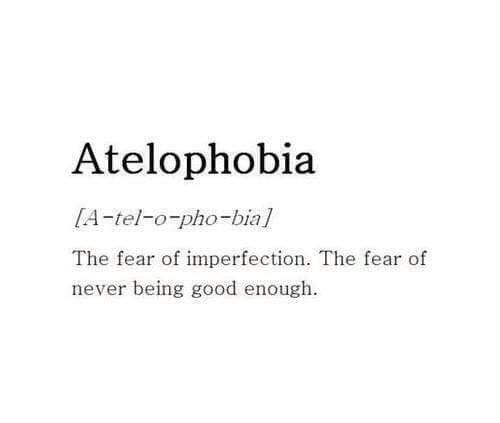
We all make mistakes and at points are faced with our own guilt. We ask can I make amends; can I do enough good to make up for the bad that I have done. As humans we often want to prove our value as “good” people. We scrape and claw at some obscure idea of what that means. If you ask someone why they are a “good” person you may hear things like; ‘I never killed anyone’; ‘I give to charity every month’; ‘I volunteer at a soup kitchen’; ‘I mean I do my best to not hurt people’; or ‘I did a short term mission trip to help feed kids in Africa.’ None of these things are bad, but the questions needs to be asked what is the standard we compare ourselves with? Who is the judge? How good is good enough? Am I Enough?
These questions reach deep at who and what we are as human beings. If we are mere physical beings that cease to exist at the end of this life then either there is no judge or we are the judge of ourselves and there is no ultimate justice for good and evil. Can our conscience truly act as our sole judge? Well sociopaths have no remorse for their crimes against humanity and sometimes they get away with murder. It seems on a purely natural level there is no complete justice in this thinking. At points we also seem to have blind spots where we are hopelessly unaware of the wrongs we have done. Where is justice in this? If we are the judges then it seems there is no clear standard and ultimately a lack of any real justice. The idea of being enough in an existentialist world is incredibly abstract and hard to pin down, life is what it is and there is nothing else to it. We can accept things the way they are or hope for better while striving with a very limited control of things outside of our own wills. There is no justifying our wrongs and we just kind of have to deal with it. So in a sense you are what you are and it’s up to you to interpret whether you are enough.
In the Christian worldview there is a solid standard in which we are judged by. The standard is perfection, and the judge is God. God tells us that humanity is deeply flawed to it’s core. We all have a sinful nature, which means we have a natural disposition towards acting against God’s law. Sin is anything that stands against the premier ethic of loving God with your whole life and loving your neighbor as yourself. We all fall short of this standard by our own volition, but God who is loving offered us a chance at redemption. He sent Jesus Christ as part of himself down to die on the cross as a payment for our sins. So if we accept God’s free gift and apply His payment to ourselves by asking for Jesus’ death to apply for us; then we are forgiven. This payment that Christ made on the cross then makes us “enough” and is our ticket to heaven.
The point here being that we can never know how much it takes to right our wrongs, and in Christianity we can’t justify ourselves in sight of God’s perfect standard. However, if we choose to take God’s free gift we can be assured that all our mistakes are paid for and because of God’s act of love we are indeed “enough.” This frees us to focus on loving others; knowing now that we are taken care of.
 Frankly Put
Leave a comment